Welcome to our monthly roundup of the most relevant PPC news from March. Here are the stories that have caught our eye over the past month:
Meta updates Click & Engage-Through attribution
Meta is updating how click-through attribution for website and in-store conversions is measured. Only clicks (not likes, shares, saves or other interactions) will count towards click-through attribution. The update aims to reduce discrepancies between Meta Ads Manager and third-party tools such as Google Analytics.
Conversions that were previously attributed to non-link interactions will now be under 'engage-through attribution'. At the same time, Meta is shortening the video engaged-view window from 10 to five seconds, showing faster conversion behaviour, especially on reels as according to them 46% of the Reel purchases happen within the first two seconds.
This is important for the travel industry as purchases often involve multiple research stages before booking. Clearer attribution from Meta helps advertisers better understand which ads actually drive clicks and bookings while separating engagement-based inspiration from real conversion activity.
Auto End Screens rolling out for video ads
Google is introducing auto-generated end screens for video ads, which automatically add an interactive card at the end of a video encouraging viewers to take action, such as visiting a website or buying the product. The screen will appear immediately after the video finishes and is designed to push users further down the conversion funnel.
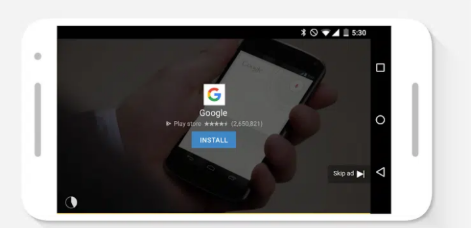
Showing an automatic end screen after a video ad doesn’t affect how the ad is billed or how views are counted. It simply gives viewers another chance to engage after they finish watching the full video.
It is important for the travel industry because videos are important to inspire potential travellers. Interactive end screens make it easier to guide viewers from watching a destination video to taking action, such as visiting a booking page or exploring travel packages.
Daily minimum budget now required for Demand Gen ads
Google will begin enforcing a minimum daily budget of $5 for Demand Gen campaigns managed through the Google Ads API from the 1 April 2026. This is to ensure that campaigns have enough budget to move through the “cold start” learning phase, letting Google’s machine learning models to gather enough data and optimise performance effectively. Any attempt to create or update a campaign with a lower budget will return an error, existing campaigns can continue serving but any future edits will require meeting the new minimum.
For advertisers running small test budgets or highly segmented campaigns, this change will require them to adjust budget strategies to meet the new minimum while maintaining campaign efficiency.
This is relevant for the travel industry as Demand Gen is commonly used to drive discovery and inspiration through visual formats. By introducing a minimum budget threshold, Google encourages advertisers to invest enough spend for its AI systems to learn and optimise effectively, which can lead to more stable performance.
Non-Skippable Video Ads Now Available Worldwide
Google Ads has announced that non-skippable video reach campaign (VRC) ads are now available globally, allowing advertisers to reach audiences watching YouTube on their TVs. Advertisers can now make sure their message is seen in full on the big screen through Google Ads and Display & Video 360.
- Designed for TV: non-skippable ads for Connected TV (CTV) make sure viewers watch the entire message.
- Smart AI optimisation: Google’s AI automatically selects the best format (6-second bumper, 15-second standard or 30-second CTV-only ad) for each audience.
- Stronger campaign results: optimising across ad lengths improves efficiency, unique reach and overall campaign impact compared to single-format campaigns.
This matters for the travel industry because travel is highly visual and people often look for inspiration before they start planning a trip. Non-skippable video ads on connected TV mean destinations, hotels and experiences can be shown in full, helping brands capture attention and inspire travellers while they’re watching content on big screens at home.
See you next month for more PPC updates!


