This was a month of updates and early feature reveals in the PPC landscape. Automation has become more transparent, Shopping compliance has become stricter, and campaign reporting has become smarter, while several key upgrades are planned for rollout in the coming weeks. Here’s what PPC professionals need to know.
Google pushing new Gemini-powered ad formats
Google is rolling out a new generation of Gemini-powered ad formats to make ads feel more helpful, conversational and contextual, across AI Mode and Search.
The additions include conversational discovery ads, highlighted answers, AI-powered search and business agent for leads. This is all part of Google’s push to integrate Gemini deeper into search and advertising overall.
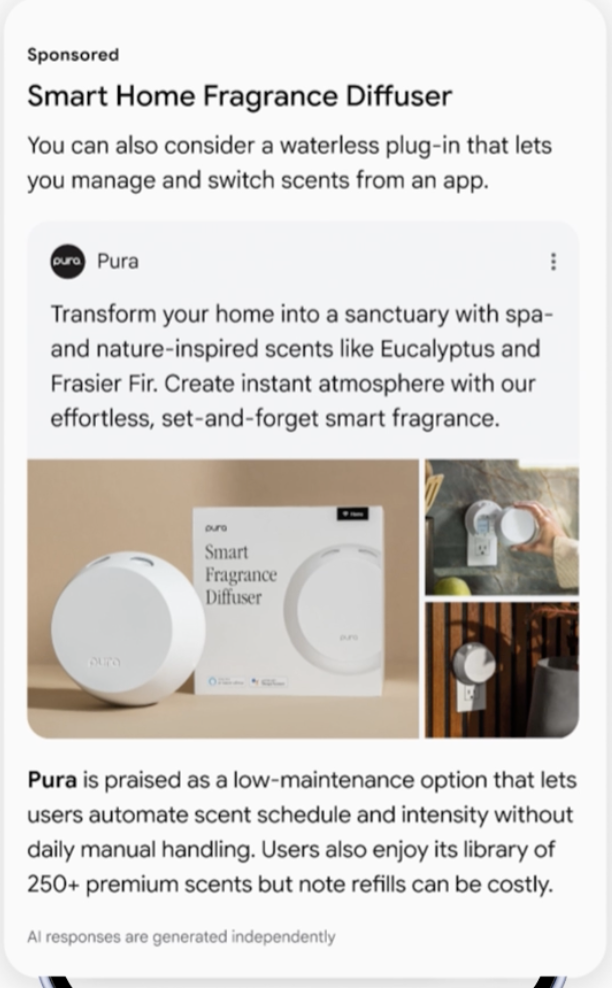
Conversational discovery ads: Ads answer someone’s specific question. If the search is 'I’m trying to make my house smell like a spa. What are some low-maintenance ways to make my house smell amazing', Gemini model will be used to build creative around that search, highlighting some features.
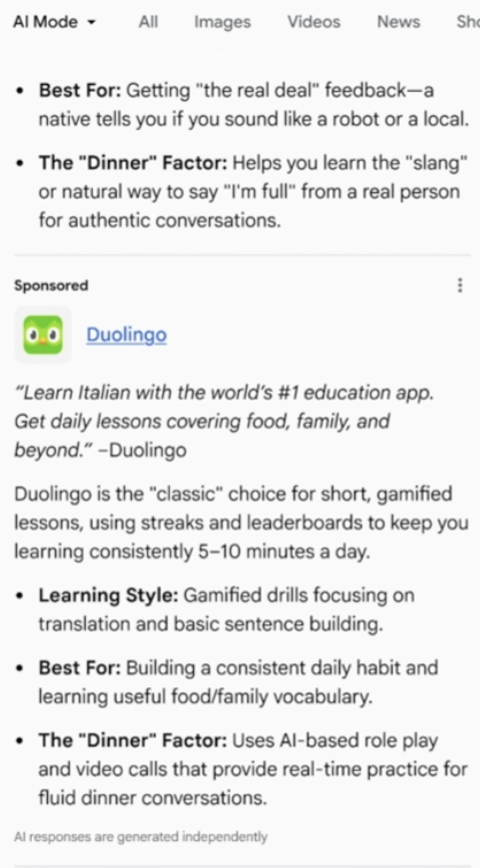
Highlighted answers: When people research, they want helpful suggestions. AI will now provide a list of recommendations, ads that are relevant and high quality can appear on that list.
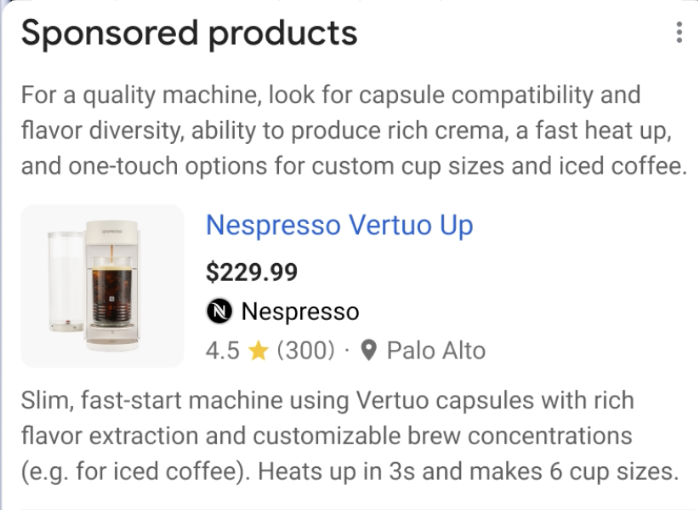
AI-powered Shopping ads: If someone searches for an espresso machine, Gemini will pull up your most relevant products and will write a custom explainer highlighting why it is the right choice.
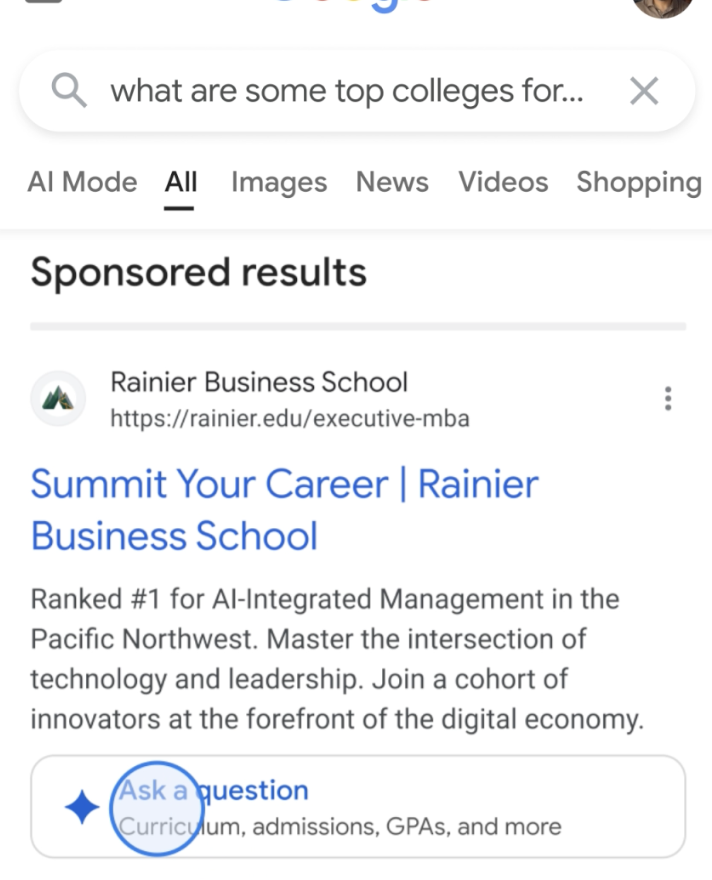
Business agent for Leads: Instead of filling out a static form, people can click 'chat' to get instant answers based on your website, turning a practical interaction into a lead.
For the travel industry, this allows them to catch people in the early planning phase. Instead of a generic ad, Gemini can show specific resorts or flights with a custom explanation of why it fits.
Google testing new branded search controls
Google seems to be testing 'Branded searches' control inside AI Max campaigns. The new settings seem to offer three options to handle brand related queries:
- Show ads on all relevant searches
- Control branded searches using brand inclusions and exclusions
- Show ads only on unbranded searches
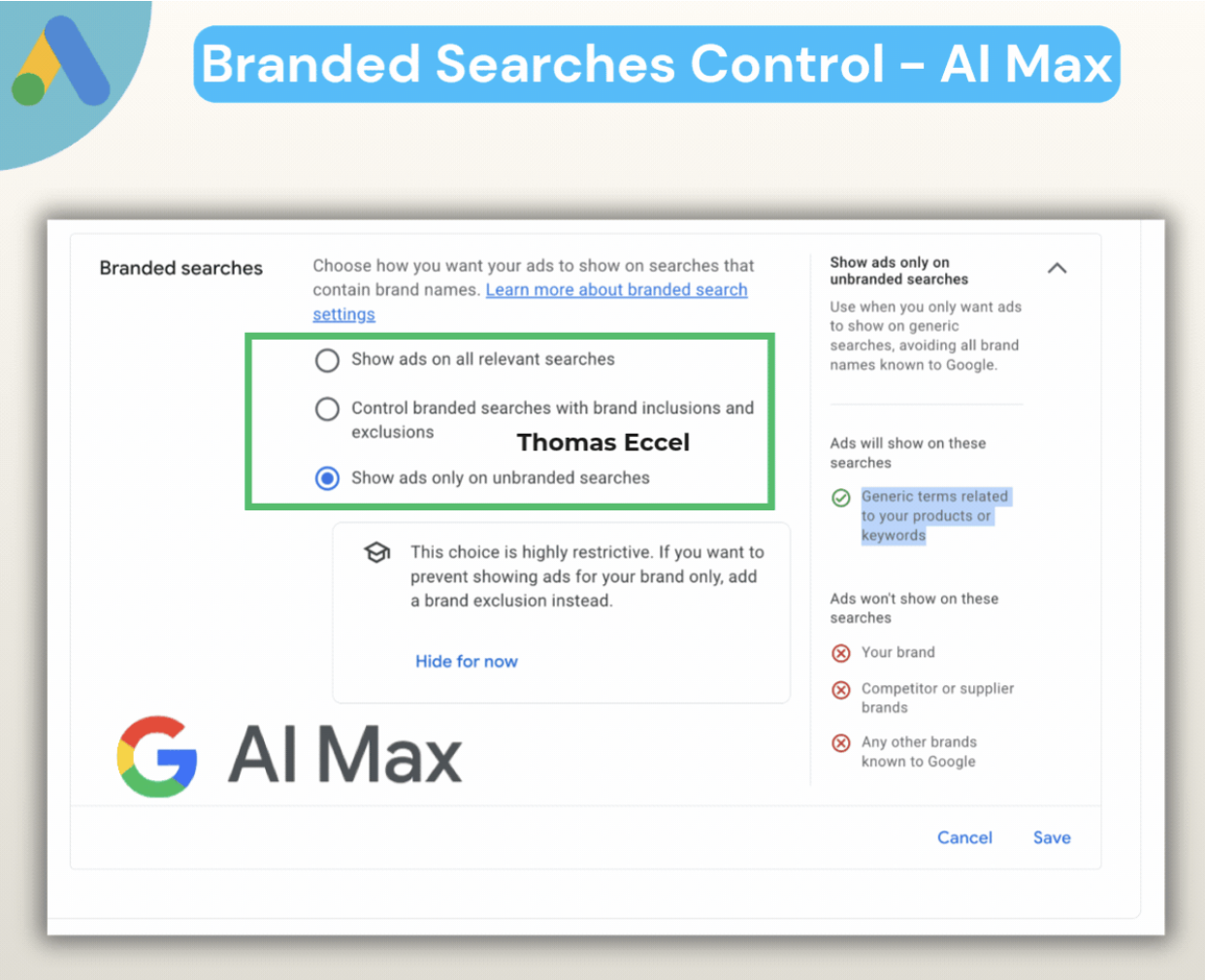
The 'unbranded only' option gives advertisers the opportunity to keep AI Max focused. On new demand and prospecting opportunities. If it rolls out broadly, it will show that google is responding to concerns that have been raised around brand traffic management while still expanding AI-powered campaign automation.
In the travel industry people usually search for trip inspiration before they search for specific brands. Isolating unbranded search lets marketers use AI to catch those undecided travellers early.
AI-powered shopping experience
Google is introducing AI performance insights in Merchant Centre. This is designed to help understand how products. Are being discovered on AI Mode, AI Overviews in search, or the Gemini app. It helps providing with a view into how the brand is performing on AI surfaces.
Some of the features are:
- Share of voice: brand’s visibility on across Search and Gemini benchmarked against brands like yours on shopping journey from AI Mode, AI Overviews or Gemini.
- Shopping funnel performance: insights across different stages of the journey, including discovery, evaluation and purchase.
- Product term insights: identify popular product terms that have been searched by people across Search conversations including your share.
- Product attributes insights: popular products specifications searched (colour, material, etc.). You can then use the attribute completeness score to identify which products are missing these structured attributes.
This will be rolled out to the U.S., Canada, Australia, India and New Zealand in the coming months.
Changes on Google Ads Data Retention
Google is changing their data retention policy that will limit the time for when advertisers can access historical data. Starting 1 June 2026, hourly, daily and weekly reporting data (periods shorter than one month) will only be available for 37 months. Meanwhile, monthly, quarterly and annual data will be available for 11 years. After that period, the data will not be accessible via the Google Ads interface or APIs.
Reach and frequency metrics, on the other hand, will only be available for three years. Metrics include:
- Unique users
- Avg impression frequency per user seven-day and 30-day avg impression frequency
- Frequency distribution metrics
After this, data will not be accessible via the Google Ads interface or APIs.


