Welcome to our monthly roundup of the most relevant PPC news from February. Here are the stories that have caught our eye over the past month:
1. Google tests new feature on Search ads
Google has begun testing a new label that reads 'strongest match' or 'strong match' on ads it believes are particularly relevant to the user’s search. The aim is to help users identify the ads most likely to meet their needs more quickly. At present, the test is only available to a small number of users in the U.S.
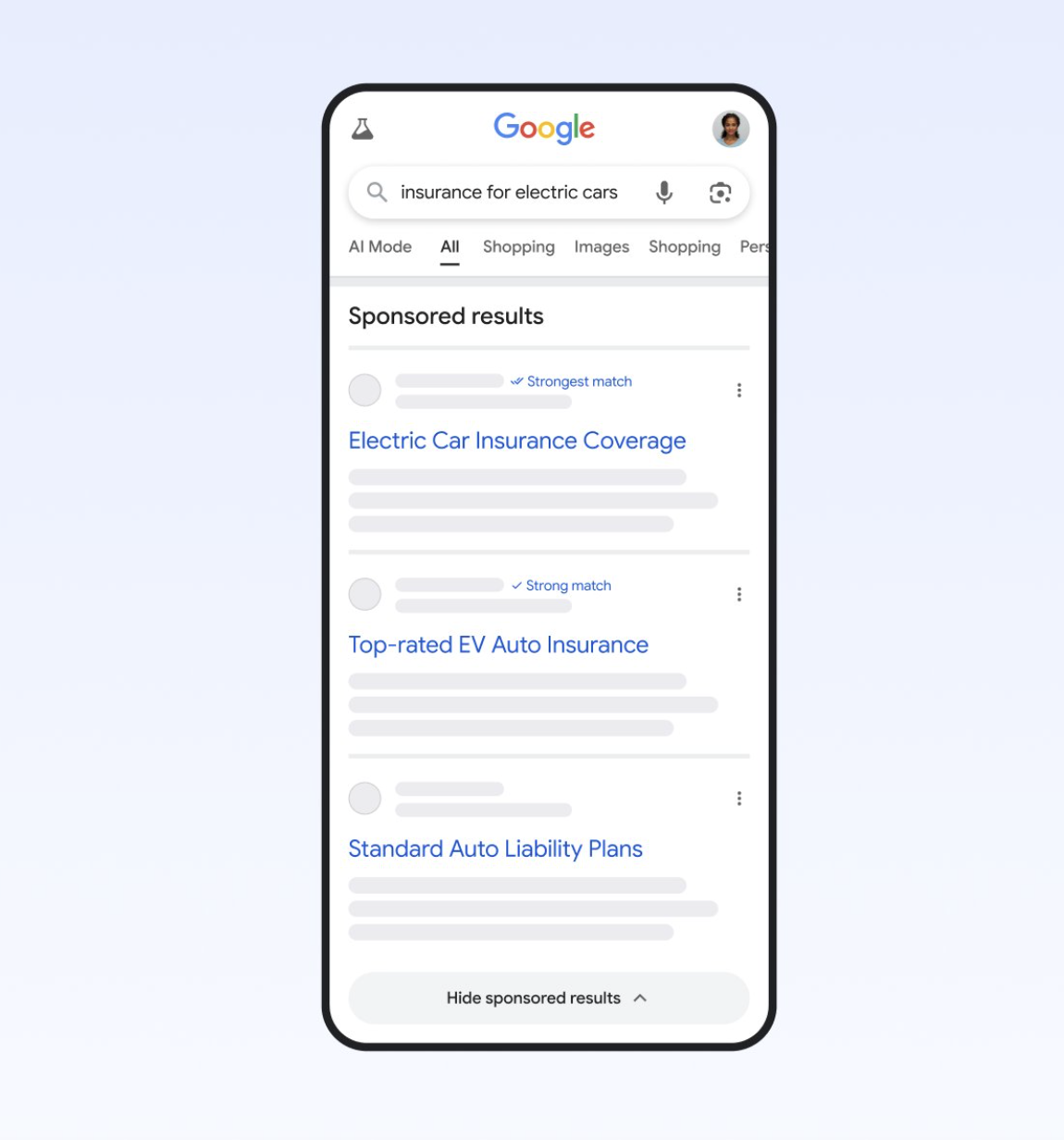
It works by relying on existing ad quality and relevance signals already used within its advertising systems. Google has said the experiment is intended to improve the Search ads experience for both sides.
This is still in an early stage and we’re still unsure whether Google is going to make this a permanent feature.
This new feature would be important for the travel industry as it will act as a shortcut for trip planners, pointing them straight to the strongest option so that they don’t have to scroll and click through many sites beforehand. Also, because the badge rewards relevance it may help smaller brands to have a fair shot at beating big booking sites.
2. ChatGPT Ads introducing audience lists
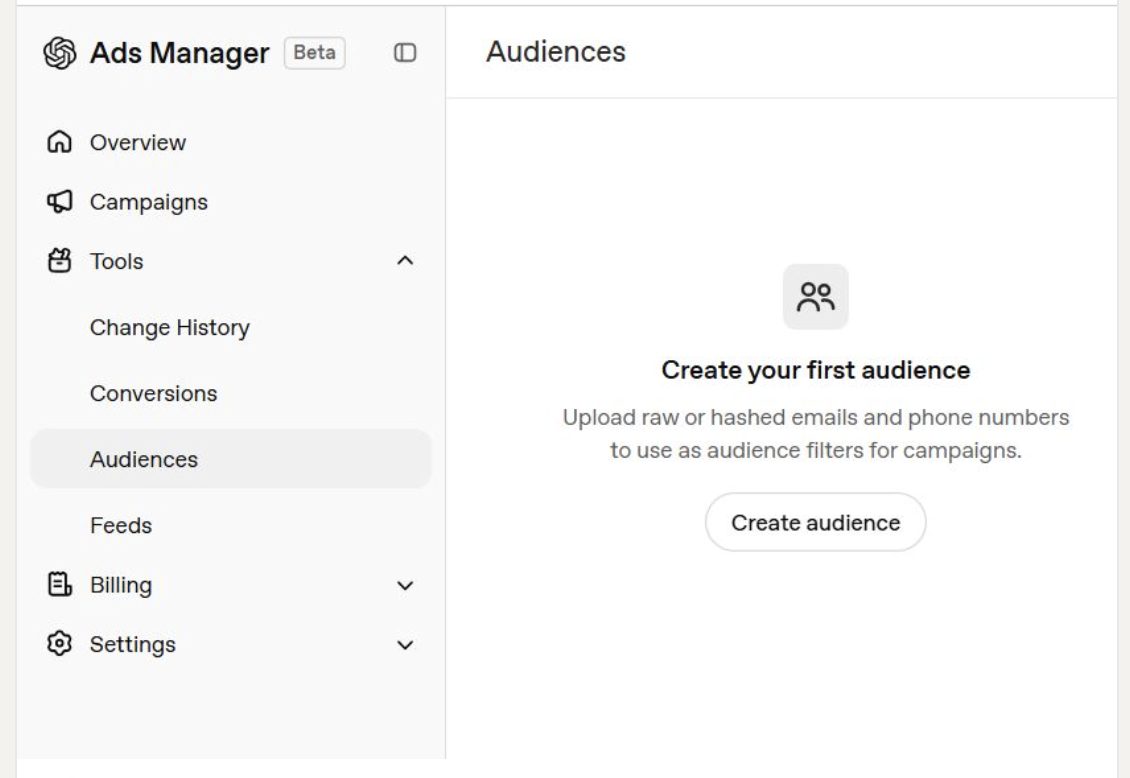
Open AI is introducing the option to add audience lists to ChatGPT Ads. Appearing under the ‘Tools’ section and named ‘Audiences’, this feature allows advertisers to target campaigns based on the audiences lists uploaded directly to the ad platform for better ad targeting. You can upload raw or hashed emails and phone numbers to use as audience filters for campaigns.
This was spotted by Craig Graham and Joss Froggat on LinkedIn
3. OpenAI can generate ads for you
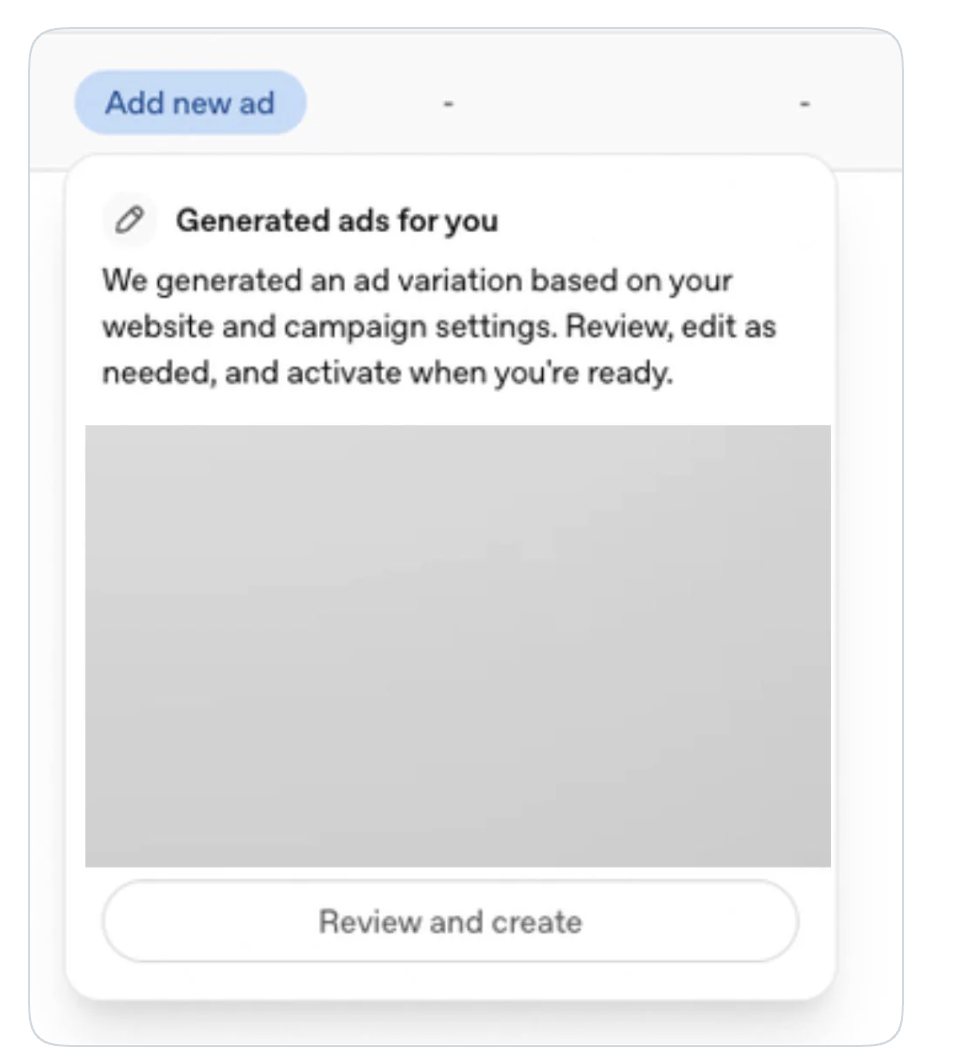
OpenAI is now displaying the option to let ChatGPT Ads generate ads for you. The feature is available under the ‘Add new ad’ menu and reads ‘generate ads for you’. As an advertiser you can opt to let ChatGPT create the ad and then you review, edit and approve it for delivery on the platform.
In the platform it reads: ‘We generated an ad variation based on your website and campaign settings. Review, edit as needed and activate when you’re ready’.
Anthony Higman posted a screenshot of this feature on X:
Advertisers need to be careful when using AI to generate ads and make sure to review them, so they meet your branding and criteria.
This roll-out proves OpenAI is rapidly turning ChatGPT into a fully functional advertising platform to compete with Google and Meta.
4. Google testing AI-generated summaries under Search ads
Google is testing AI-generated summaries under Search ads, giving AI a bigger role in how paid ads are presented. The summaries include a disclaimer stating: ‘Google AI responses are generated independently and can make mistakes, so double-check responses.’
This can reshape how users interact with paid ads and how advertisers’ messaging is presented. The summaries highlight information that Google considers most relevant and we still don’t know if advertisers will have any control over the content. There are questions around it about messaging accuracy, brand control and CTR performance.

Google has said that it is part of an experiment not a broader roll-out: ‘This is a small experiment to see if adding AI-generated context to Search ads helps people make more informed decisions’.
For the travel industry, this is important because holidays rely on details and small context errors can cause complications. For example, if Google’s AI accidentally misrepresents a tour by mixing up relaxed family cruise with a more active one you could pay for clicks from people that are immediately going to leave when they enter your page.
5. Demand gen testing animated images feature
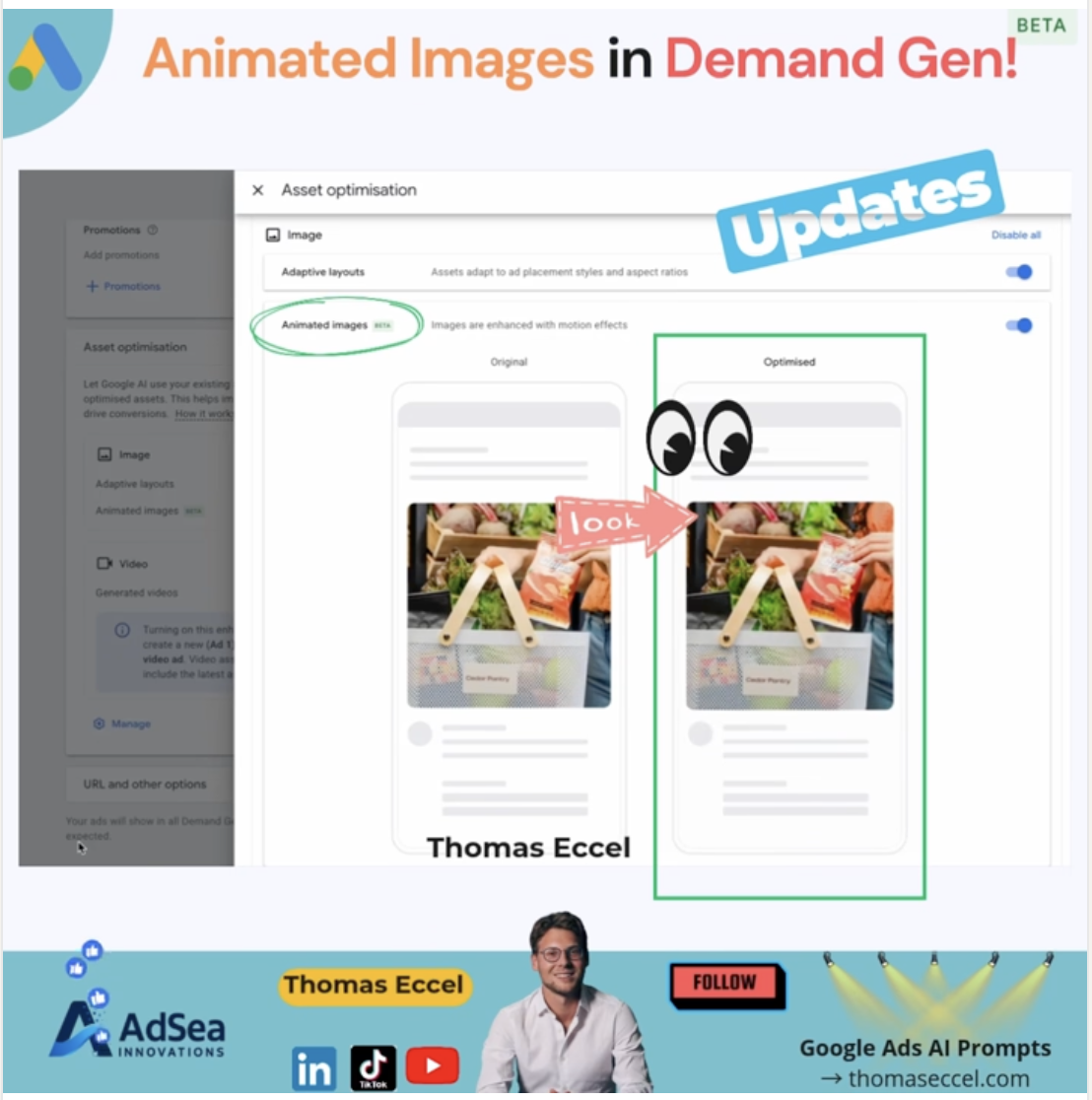
Google Ads has started testing a Beta feature for Demand Gen campaigns that introduces Animated Images.
This will enhance static images with motion effects when the feature is activated, which will be turned on by default in your settings. It allows you to create engaging visual content that could boost interaction and the feature is expected to improve the overall appeal of advertising strategies.
This update was spotted by Thomas Eccel.
This is important for the travel industry because holidays are sold on visuals so a subtle movement can make a destination feel alive. It also helps small operators who don’t have the budget to afford video production, giving them a way to make their ads pop.
That's all for this month - see you next month!


