Welcome to our monthly roundup of the most relevant PPC news from the last month.
Google adds more granular location targeting to Demand Gen
Google has added more granular location targeting controls to Demand Gen campaigns. Demand Gen has often been criticised for giving limited control over where ads are shown. However, this update allows advertisers to better define geographic targeting, making campaigns more relevant and efficient. It will now be more practical for advertisers who need geographic precision, rather than broad awareness.
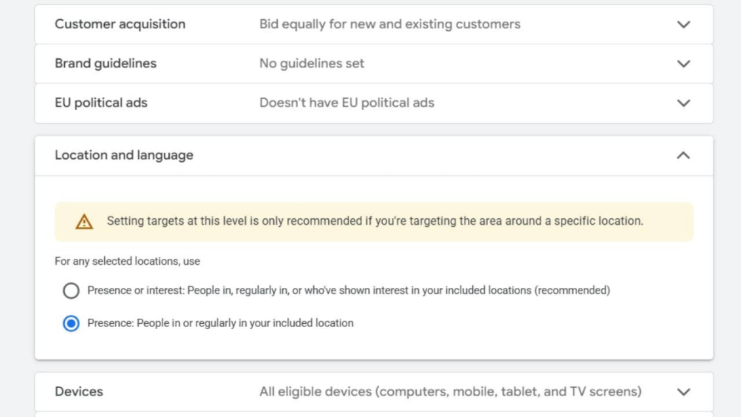
When advertising in the travel industry, location control of course is critical. Brands can now promote specific destinations to the right source markets, for example targeting travellers in the UK with long-haul trips or focusing seasonal offers on high-intent regions. It helps reduce wasted spend and improves relevance for destination-led campaigns
YouTube expands shorts ads with comments and creator links
YouTube has expanded ad formats on Shorts by adding comments sections and clickable creator links to ads. This makes Shorts ads feel like organic creator content, meaning users can now interact with ads by reading or leaving comments and tapping through to a creator’s channel, rather than seeing ads as isolated placements. This update is important because it increases engagement and social proof. Ads no longer just interrupt content: now Ads can blend into the Shorts experience and this helps to encourage conversation and discovery.
This works particularly well for travel brands. Travel inspiration is highly visual and social, plus users often want reassurance before booking. Comments allow people to ask questions about destinations or experiences, while creator links strengthen influencer-led campaigns that are already a major driver of travel discovery.
Bing tests with new 'sponsored' ad grouping format
Bing has been testing a new layout that groups multiple paid ads together under a single 'Sponsored' label similar to how Google displays ads at the top of search results. Instead of ads appearing as separate listings, they are visually grouped, which can make paid results more dominant above organic listings. This will change how ads compete for attention. Grouped ads can increase competition within the paid section which puts more pressure on ad copy, extensions, and bidding strategies.
Google lowers audience size minimums
Google has lowered the minimum audience size requirements across remarketing and customer match lists. Previously, many advertisers couldn’t use advanced audience targeting because their lists were too small. With lower thresholds, now more advertisers can now activate these audiences. This is a small change, but an important one. It opens up remarketing and customer match to smaller brands and niche businesses that were previously locked out.
For the travel industry, this is particularly valuable. Many travel companies operate in niche segments like eco-tourism, adventure travel, or premium small-group tours. Even small lists of past travellers or enquiries can now be used to improve targeting, helping drive repeat bookings and high-value conversions.


