Welcome to our monthly roundup of the most relevant PPC news from February. Here are the stories that have caught our eye over the past month:
Google expands total campaign budgets
Google has expanded campaign total budgets across Search, Performance Max and Shopping, making it possible to set a single spending cap for a defined period. Google AI then manages pacing automatically, pushing spend on high-opportunity days and holding back when demand is quieter. Whether supporting a flash sale or a longer seasonal push, the aim is simple: deliver maximum value from the budget without constant manual tweaks.
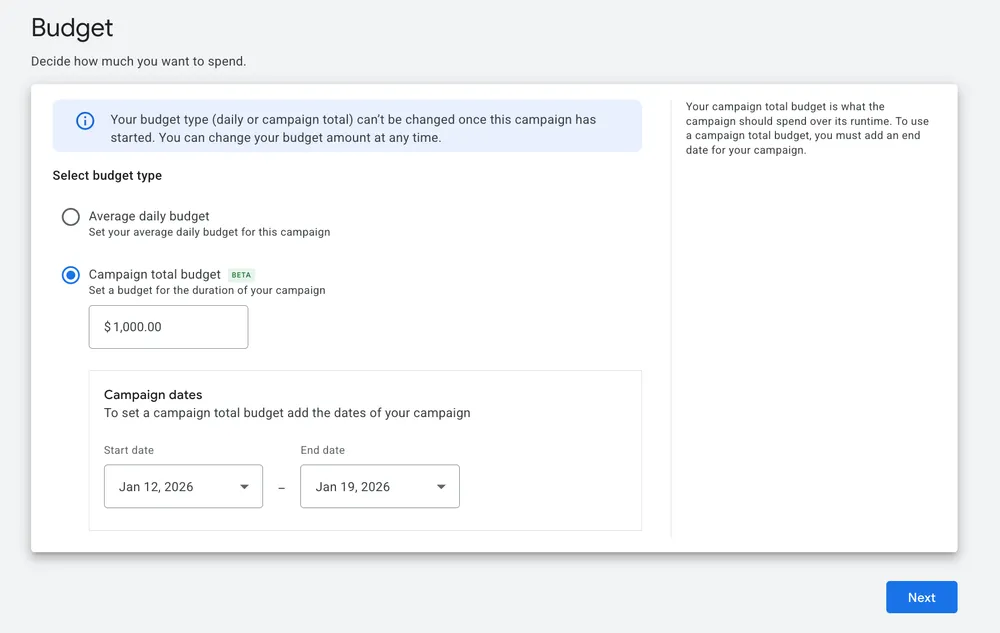
For travel brands, the benefit is immediate. Seasonal campaigns, launch windows and limited time offers become easier to manage across longer booking cycles, with clearer control over spend and fewer manual adjustments. In practical terms, this reduces operational overhead while enabling more confident planning and execution of high-impact activity, supported by predictable pacing and stronger budget efficiency.
Google tests endorsements in Search Ads
Google is experimenting on paid searches by showing endorsements from external publishers inside the ad. This includes the publisher’s name, logo and the favicon you’d see in a browser.
In the example below spotted by Sarah Blocksidge posted on Mastodon, an endorsement from a known tech publication appeared beneath a Search ad, making the paid result look more like a trusted recommendation than a simple ad.
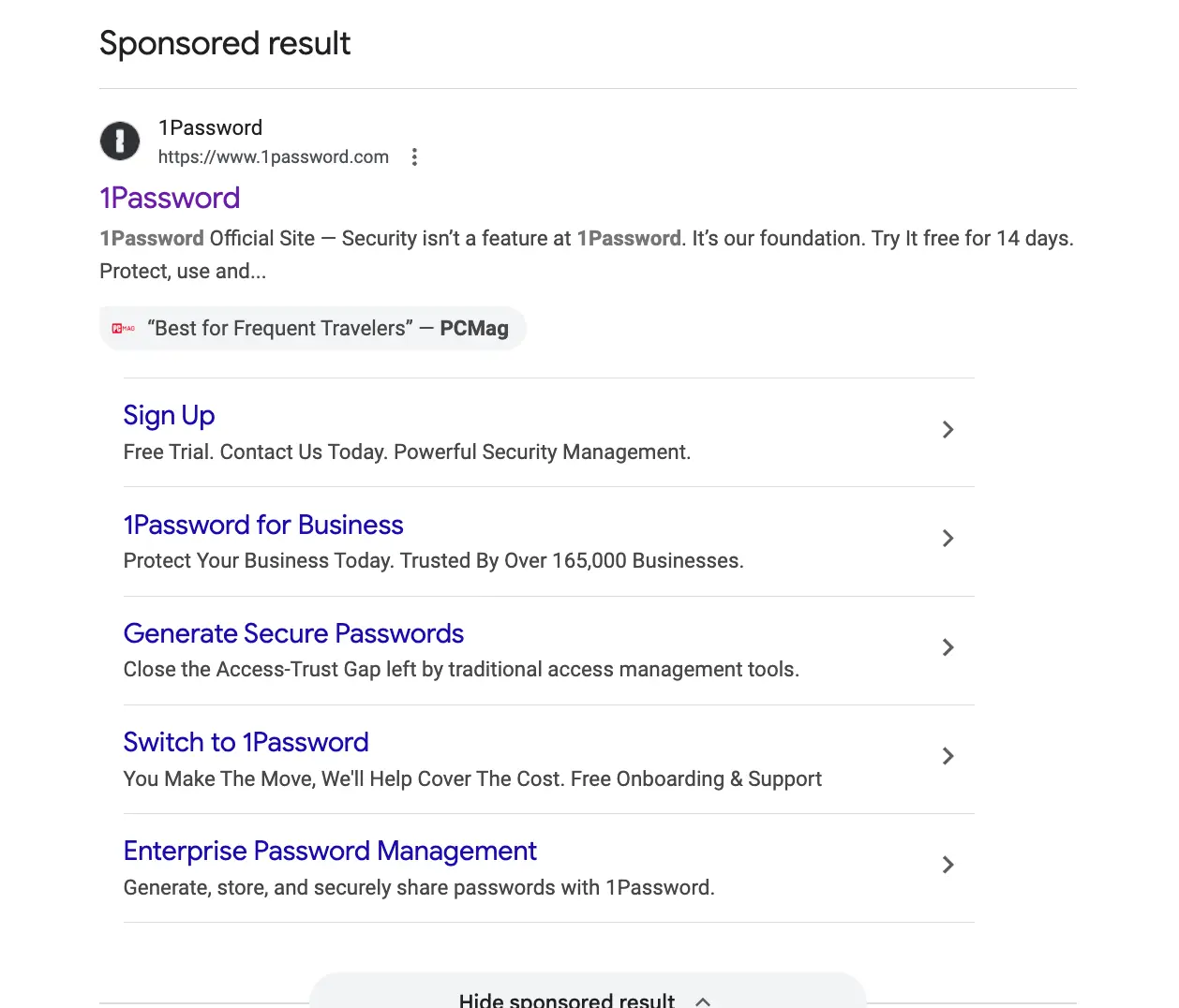
Google has confirmed this is a limited test but is yet to release further detail.
For travel brands, the potential impact is clear. Purchase decisions in this sector rely heavily on trust, reassurance and independent validation. If rolled out more widely, brands with strong third-party credibility such as awards or press coverage could benefit from stronger engagement and a measurable competitive advantage within paid search.
OpenAI Explains How Ads Will Work in ChatGPT
Open AI has started testing ads in ChatGPT for logged-in users on free and Go tiers in the US. The company has been clear that ads are separated from AI responses, labelled transparently and shown after answers, with no ability to influence the chatbot’s output. Advertisers cannot shape or rank responses and only receive aggregated performance data such as clicks or views.
The test is designed so that ads appear below a response when there’s relevant context in the conversation, and they won’t show during sensitive topics, while logged out or in temporary chats.
Users can also choose to opt out of ad personalisation at any time, meaning they will still see ads based on the context of their current chat, but other chats won’t be used when choosing an ad.
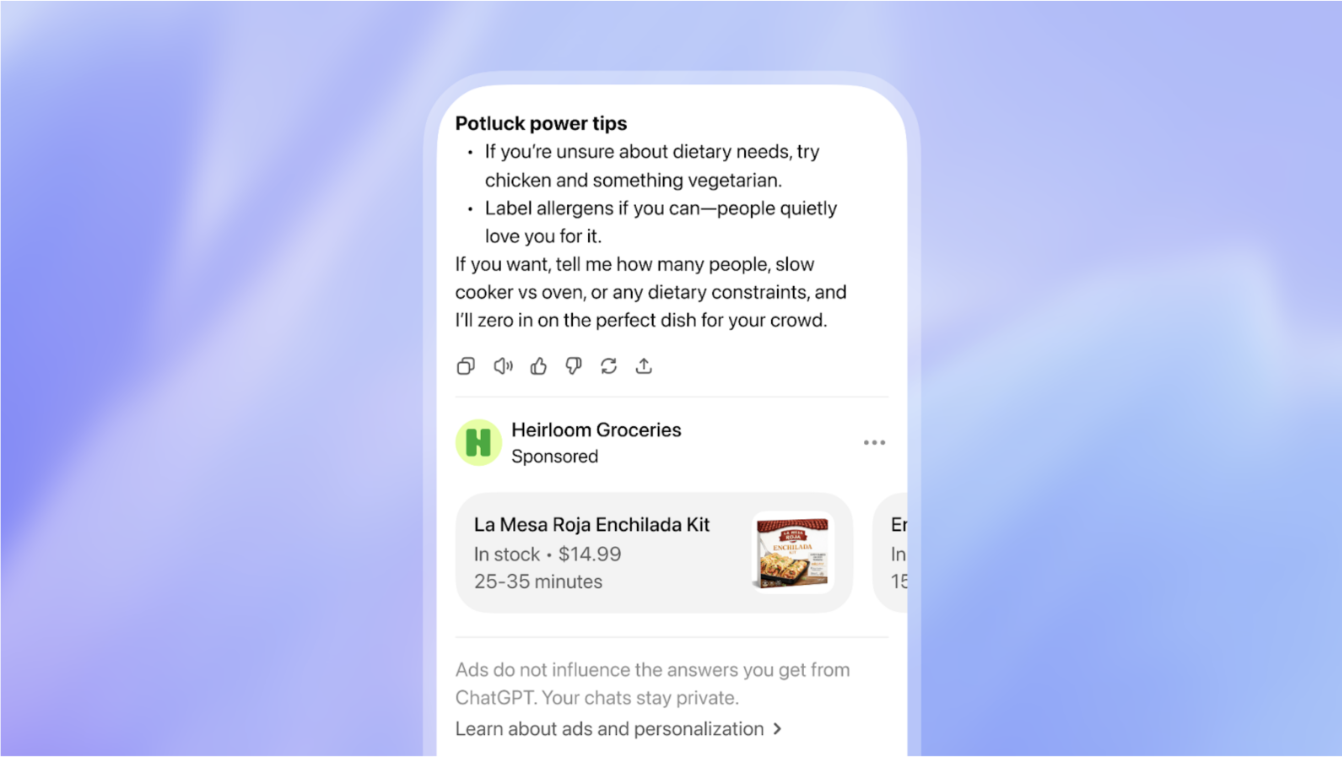
This is important for the travel industry as it impacts directly on how people discover information and make decisions. Travellers increasingly use ChatGPT for trip ideas, destination research, itinerary planning and comparisons. Ads appearing contextually based on that conversation could open up new paid-media touchpoints earlier in the research process.
More video flexibility in PMax campaigns
Google appears to be expanding the video limits in Performance Max campaigns, giving advertisers significantly more creative flexibility. The number of video assets allowed per asset group seems to be increasing from 5 to 15. That means brands can upload more variations and cover all three major video ratios without having to split campaigns or duplicate asset groups just to fit different ratios.

This makes campaign consolidation much easier, especially for brands running multiple creative versions. Google hasn’t officially announced the change yet, which suggests it may still be in testing or gradually rolling out.
The commercial relevance for travel brands is clear. This is a visually led sector where imagery and motion strongly influence engagement and conversion. Greater video capacity enables broader storytelling across formats and placements such as YouTube, supporting earlier decision-making and improving the return from existing creative investment.
See you next month for more PPC updates!


