Welcome to our monthly roundup of the most relevant PPC news from the last month.
1. Google tests clickable hyperlinks in Search ad descriptions
Google seems to be testing a new Search ads format where there are hyperlinks within the ad description, giving another way for users to engage with sponsored listings. This feature could influence and change the way advertisers think about the ad copy and CTR optimisation. Search ads would become more engaging and will encourage higher CTR by drawing attention to the most relevant parts of the message. Clicking the highlighted text, however, takes you to the same landing page as the main ad headline rather than a different destination. The feature was spotted by Nayan Prakash on LinkedIn.
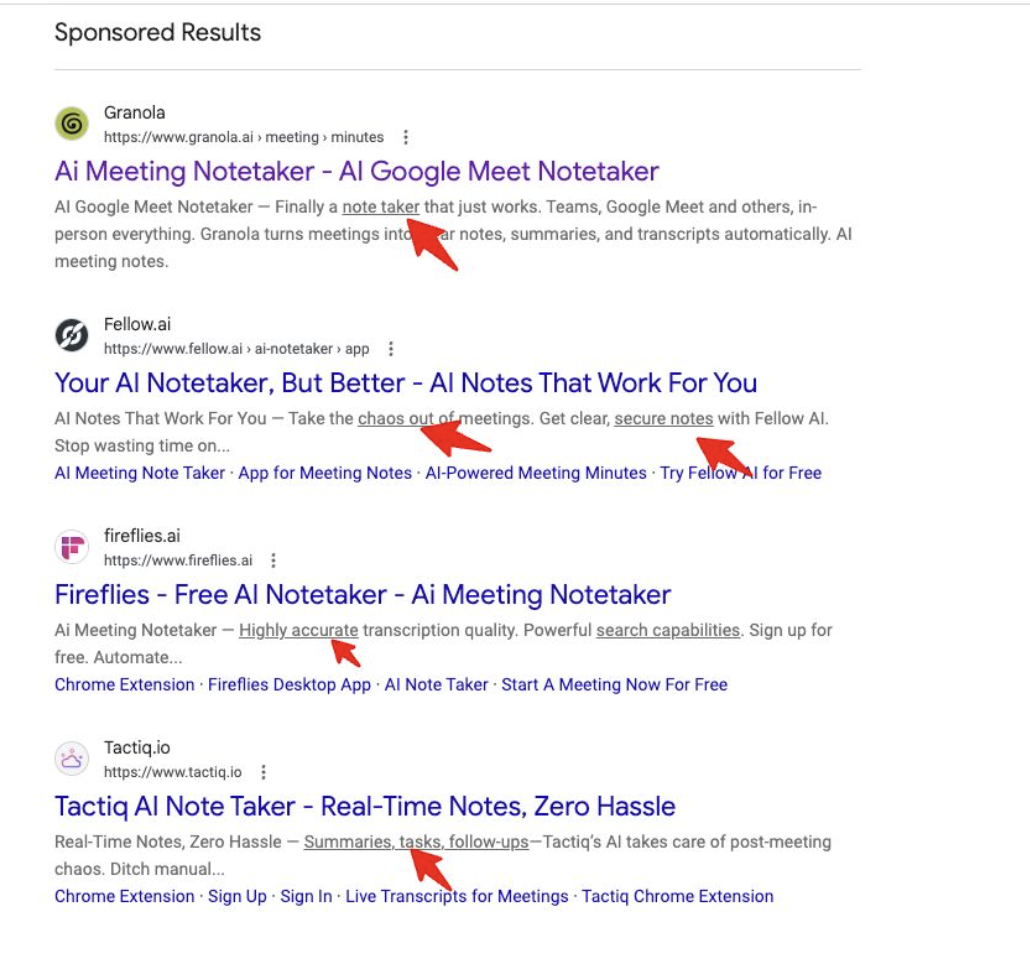
There is a chance the google is the one selecting which text to hyperlink based on users’ intent giving advertisers even less control over the ads, though Google has not confirmed how the feature would work or whether it will expand beyond the test.
This test builds on previous ones such as 'learn more' and 'read more' links within ad formats but is the first time they are introducing hyperlinking descriptive text.
This could be useful for travel advertisers because searches are often highly specific. Highlighting relevant parts of the ad copy could help important details stand out and improve CTR but will depend on whether Google decides or the advertiser does.
2. Microsoft Advertising adds more control over where Audience Ads appear
Advertisers can now create lists of words or phrases they don't want their Audience Ads to appear next to. If a page title contains one of those terms, the ad won't show.
The exclusions can be added at the account or campaign level with up to 1,000 terms supported. Campaign-level exclusions are also applied across the account, so advertisers won't need to rebuild the same list every time they create a new campaign.
The feature is available under Tools > Content suitability > Excluded content terms. Microsoft is rolling it out gradually, some advertisers may not have access yet.
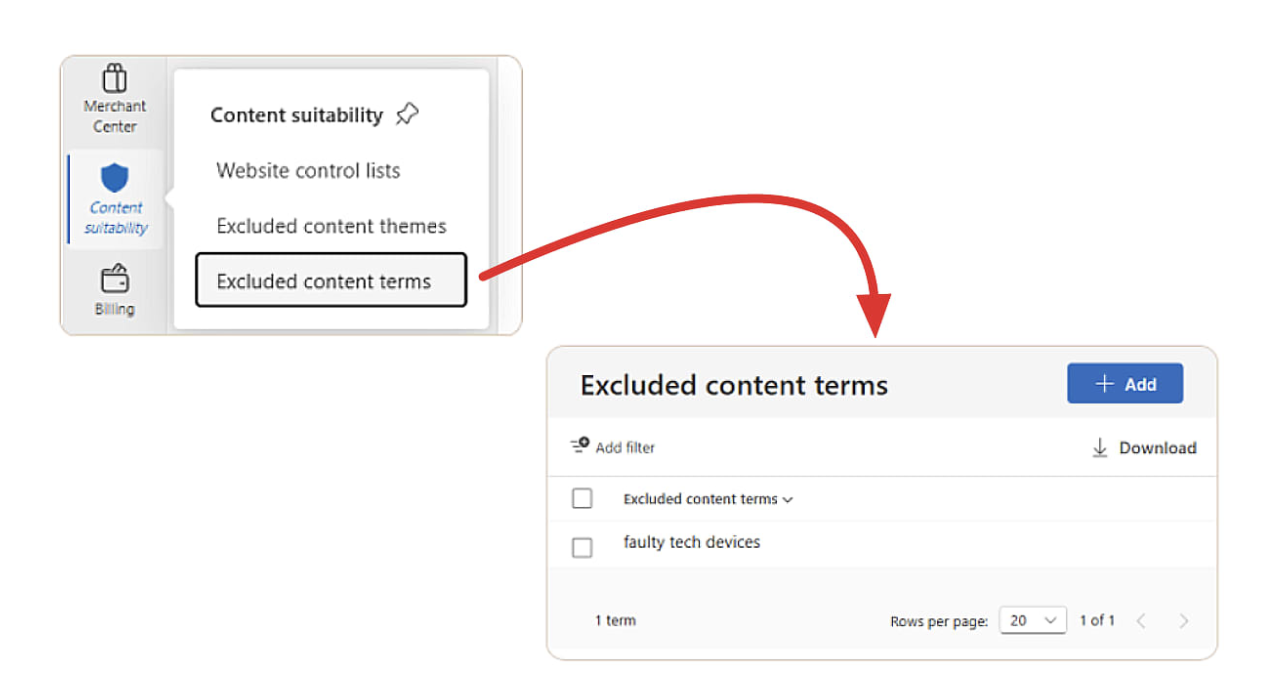
The feature lets advertisers block specific domains, while content exclusions cover broader sensitive categories. Excluded content terms give advertisers more control over the exact content they want to avoid.
Microsoft is adding more controls around where Audience Ads appear as brands put more focus on brand safety. The new option works alongside existing website exclusion lists and IAS-powered content exclusions which can keep ads away from categories such as adult content, gambling and violence.
3. ChatGPT Ads rolls new tools
ChatGPT Ads is adding more options for advertisers looking to drive conversions. OpenAI is rolling out new campaign types, measurement integrations and carousel ads. The platform is also set to launch in two more markets.
The updates are aimed at making it easier to track conversions, measure results and set up campaigns, particularly for ecommerce advertisers. OpenAI has added new product feed campaigns focused on conversions, along with more measurement options and carousel ads. The aim with these changes is to give advertisers more ways to optimise campaigns towards conversions and better understand their performance.
The new updates also make it easier to set up and manage campaigns, with more automation available during campaign creation. Overall, the changes give advertisers more options for driving conversions, tracking performance and optimising their campaigns on ChatGPT Ads.
4. Microsoft removes Max CPC controls from new campaigns
Microsoft will remove Max CPC controls on new campaigns using multiple standalone automated bidding strategies from 1st October. Conversion based targets and automated bidding are being pushed by the platform for advertisers to use. Existing campaigns using Max CPC won’t immediately lose the limit and portfolio bid strategies and other several bidding strategies will keep the option.
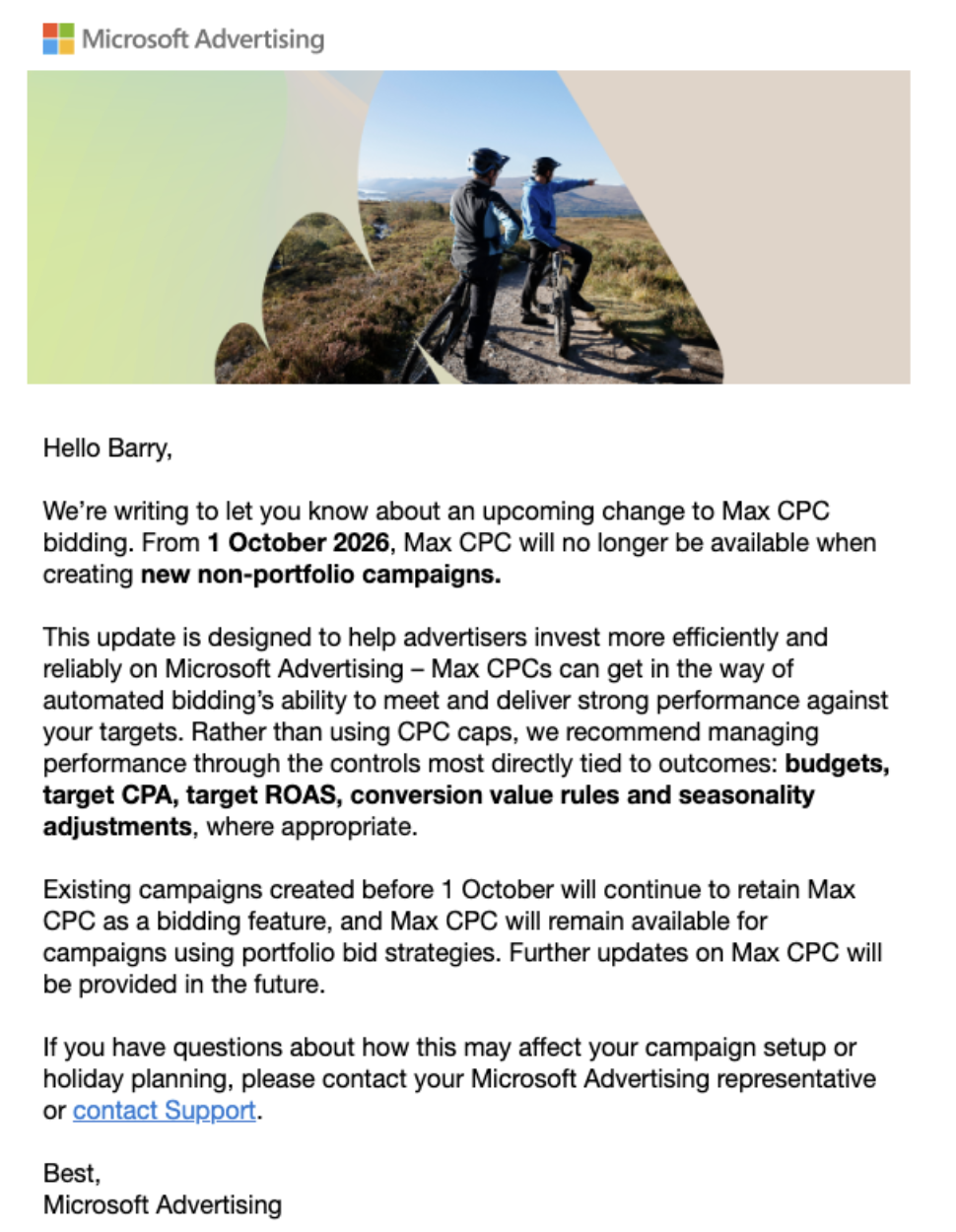
The aim with the change is that Microsoft wants advertisers to communicate objectives through controls such as tCPA, tROAS, conv. value and seasonality adjustments. However, there is no immediate migration for existing campaigns using Max CPC, instead they will continue to retain the bidding control.
That's all for this month - see you next month!


