Welcome to our monthly roundup of the most relevant PPC news from March. Here are the stories that have caught our eye over the past month:
Seasonal theming in Performance Max
Google has introduced seasonal creative theming for Performance Max asset groups. This allows advertisers to align ad creatives with specific seasonal events such as holidays, sales periods or key promotional moments. It enables Google’s system to automatically adapt creatives/messaging based on seasonal relevance and consumer intent without having to create entirely new campaigns.
It's designed to improve efficiency and ensure that ads remain contextually relevant during key seasons without needing constant manual updates.
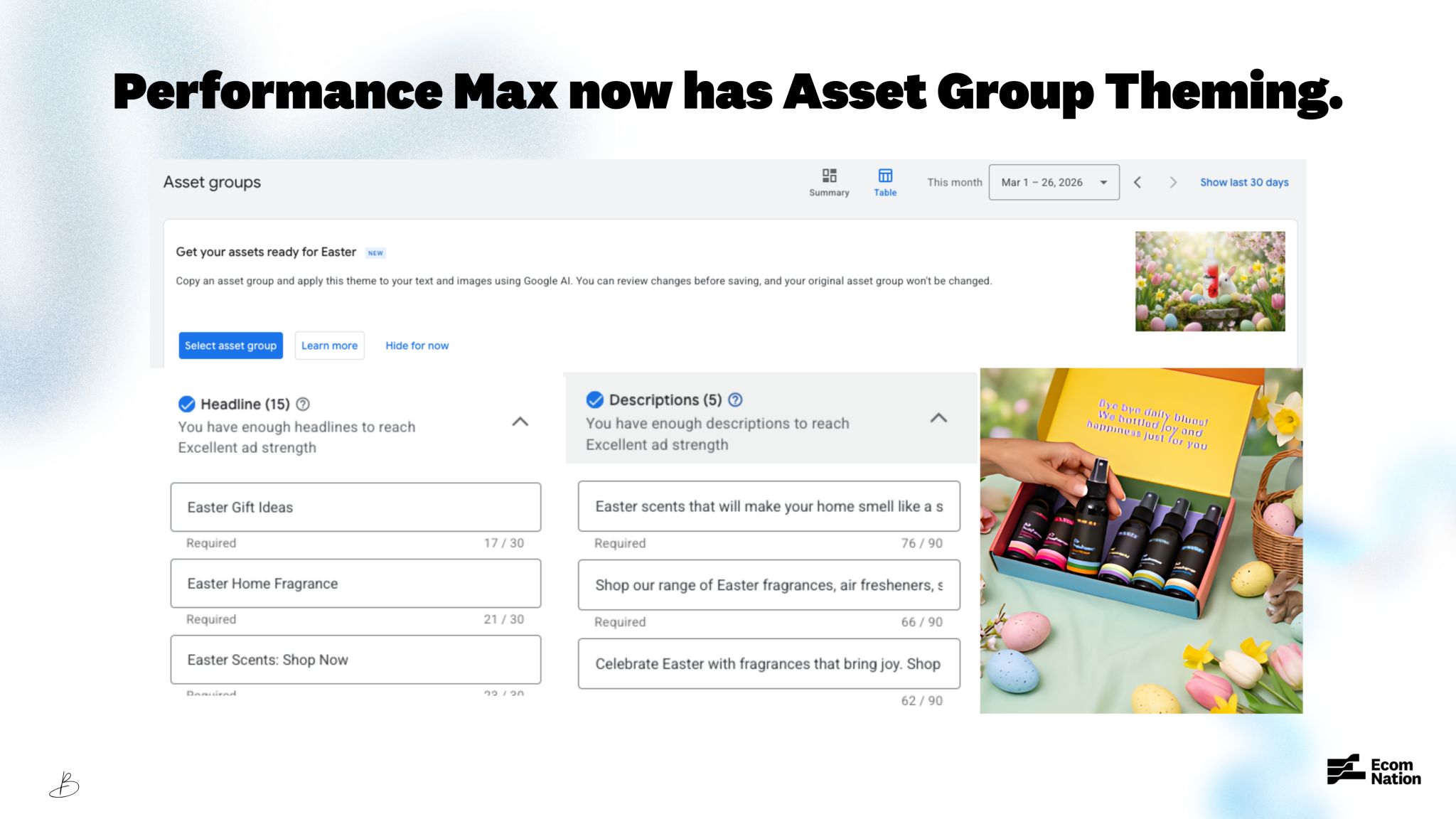
Source Specialist Bia Camargo LinkedIn.
This is important for the travel industry because demand is highly seasonal (e.g. summer holidays, Easter breaks, Christmas travel, etc.). Being able to align creatives with seasonal intent within the same campaign helps maximise visibility and engagement during high-intent booking periods while reducing workload.
'Results' added to Recommendations
Google has launched a 'Results' tab within the Recommendations section in Google Ads, giving advertisers visibility into the impact of applied recommendations.
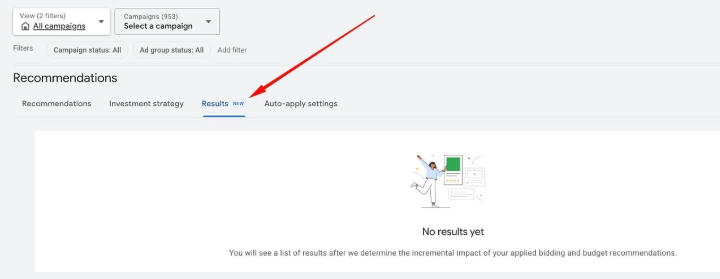
Source: PPC News Feed
This new feature shows measurable changes in key metrics such as conversions, clicks or performance trends after recommendations have been implemented. It allows advertisers to directly evaluate whether Google’s automated suggestions are improving campaign outcomes.
The Results tab connects recommendations with real performance data, increasing transparency and helping advertisers make more informed decisions about which suggestions to apply in the future.
This is particularly relevant for the travel industry, where performance can fluctuate due to seasonality and demand shifts. Being able to measure the real impact of automation helps marketers optimise campaigns more confidently and avoid unnecessary changes that do not drive results.
Meta to overtake Google
Meta is projected to overtake Google in global ad revenue for the first time, marking a notable switch in the world of digital advertising.
- According to forecasts from eMarketer, Meta is expected to generate slightly more global ad revenue than Google this year. If this happens, it would be the first time Meta takes the lead after Google dominated digital advertising for many years.
- One of the key drivers behind this growth is Meta’s focus on AI-powered and automated ad tools, which help advertisers scale campaigns and optimise performance more easily. Formats like short-form video and social discovery are also continuing to attract advertiser budgets.
- While Google still dominates search advertising, Meta’s faster growth in social and performance-driven advertising is what is pushing it ahead overall.
This matters for the travel industry because the industry is highly visual and inspiration-led, customers often discover destinations before actively searching for them. Platforms like Meta play a key role in the early inspiration stage, helping travel brands reach audiences through visual formats. As Meta continues to grow its share, it reinforces the importance of balancing search activity on Google with social discovery campaigns to capture demand across the full travel planning journey.
New Performance Max features
Google has rolled out a few new controls and reporting updates for Performance Max campaigns, aiming to fix some of the long-standing concerns around limited visibility and control.
- Advertisers can now exclude specific first-party customer lists. If the goal is getting new customers, excluding existing customer lists can help reduce wasted spend and will give a cleaner setup when evaluating Performance Max. This does not turn Performance Max into a precise audience targeting campaign, it is more about moving the system in the right direction rather than strict targeting.
- You can now access the budget report directly within the Performance Max campaign, making it easier to forecast spend. It also shows different scenarios for how adjusting the daily budget could impact performance.
- Google is also expanding reporting with more detailed demographic and audience insights, including breakdowns such as age range and gender.
- Placement reports can now be segmented by network, making it clearer where ads are showing. This gives advertisers more visibility and helps ensure brand safety across all Google channels.
These updates give a bit more transparency into how Performance Max is spending and who it is reaching, which should make campaign oversight easier. This is particularly useful for the travel industry, where campaigns often run across multiple channels. Better reporting makes it easier to see which channels and assets are driving bookings, helping optimise activity across the funnel.


